How does advanced schema influence the GBP proximity filter in 2026?
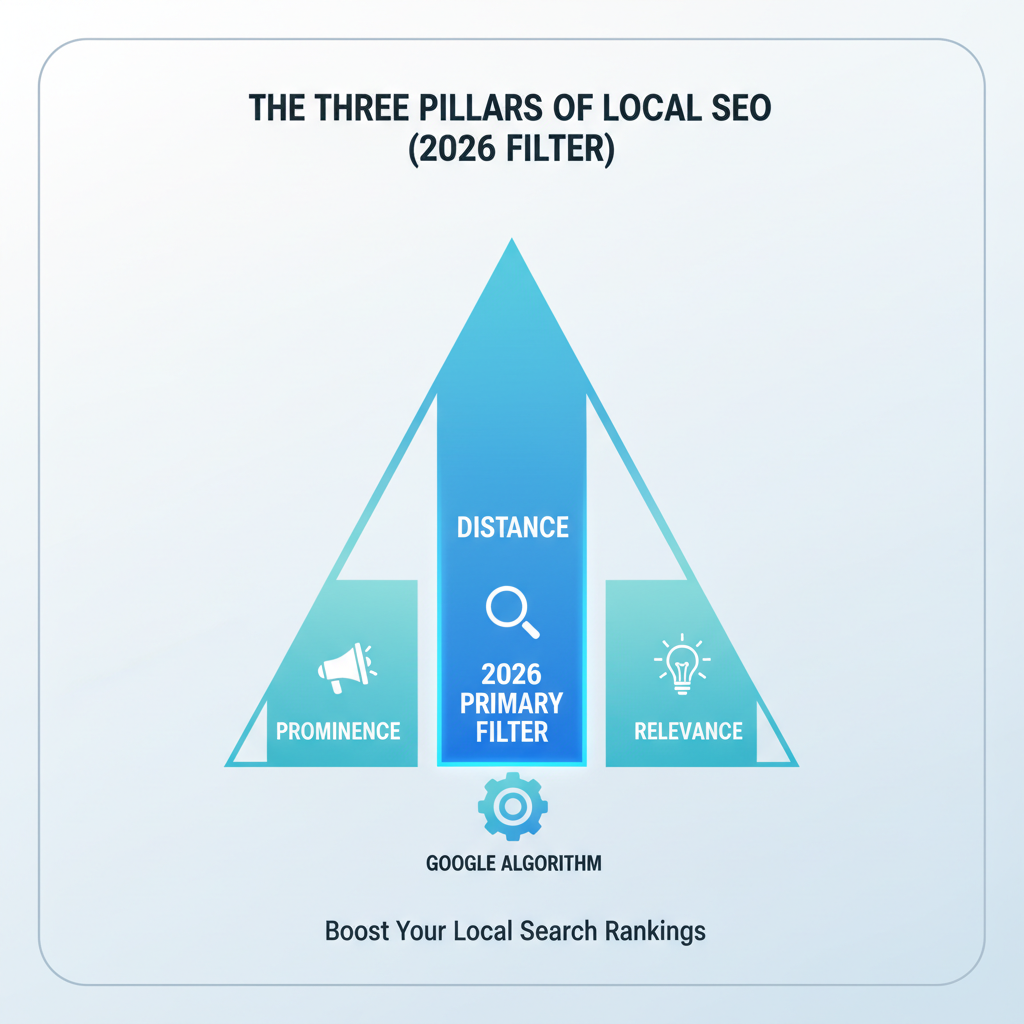
In the evolving landscape of local search, proximity is no longer just about physical distance; it is about how effectively a business proves its geographic relevance through structured data. As search engines transition into AI-driven answer engines, businesses must move beyond basic Google Business Profile (GBP) settings to signal local authority.
Quick Answer: Advanced schema markup signals proximity to AI search engines by defining a business’s service area, physical coordinates, and neighborhood associations within the website’s code. By utilizing GeoJSON, LocalBusiness schema, and `areaServed` properties, businesses can bypass traditional "radius" limitations and capture traffic from high-authority local clusters.
How does advanced schema influence the GBP proximity filter in 2026?
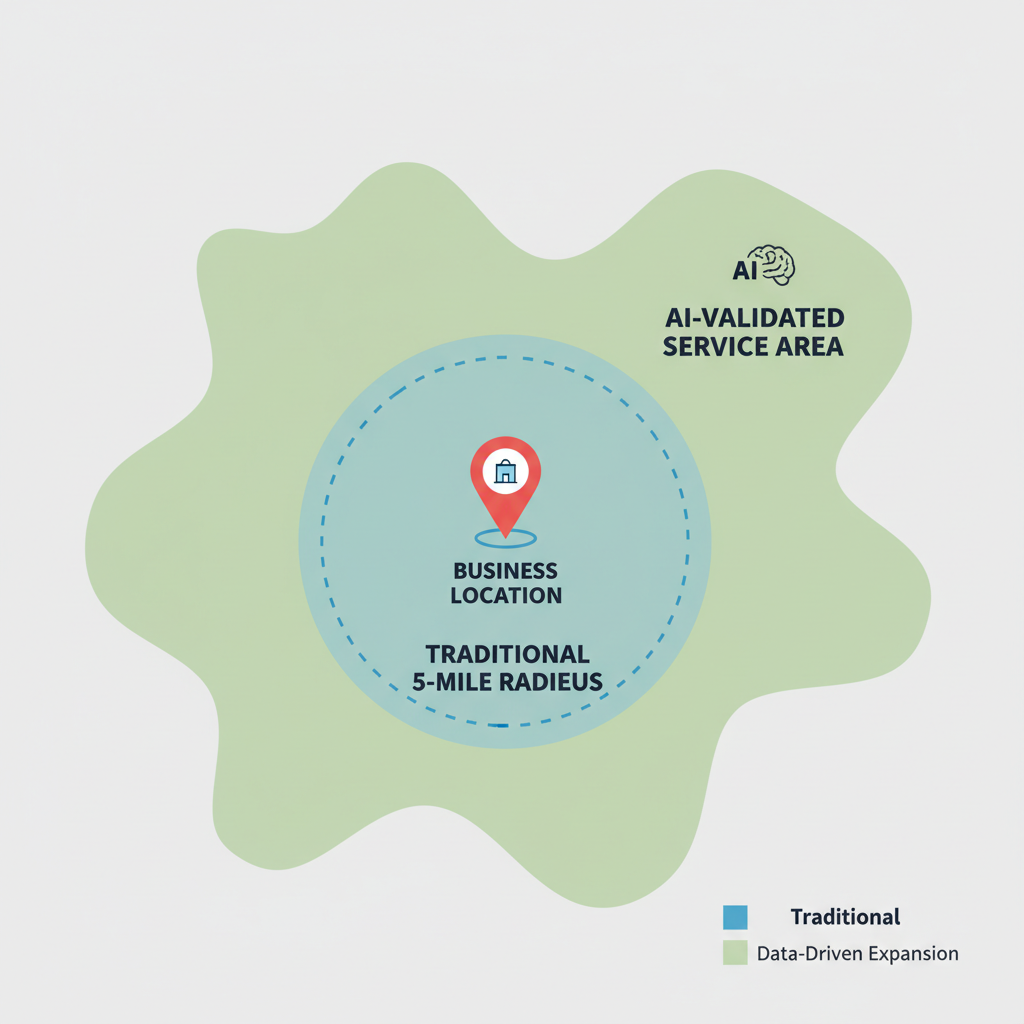
Advanced schema markup provides the explicit geographic context that AI-driven search engines require to validate a business’s location and service boundaries. While the GBP proximity filter 2026 landscape rewards businesses physically closest to the searcher, structured data allows a brand to "expand" its digital footprint by proving its topical and geographic relevance to surrounding sub-regions.
Why is structured data critical for AI search?
AI search engines, such as Google’s Search Generative Experience (SGE) and Perplexity, rely on the Knowledge Graph to connect entities. When you use schema, you are not just listing an address; you are creating a machine-readable map of your business operations. This reduces the "uncertainty score" an AI might have about whether your business can truly serve a customer ten miles away.
What are the limits of the traditional local SEO radius?
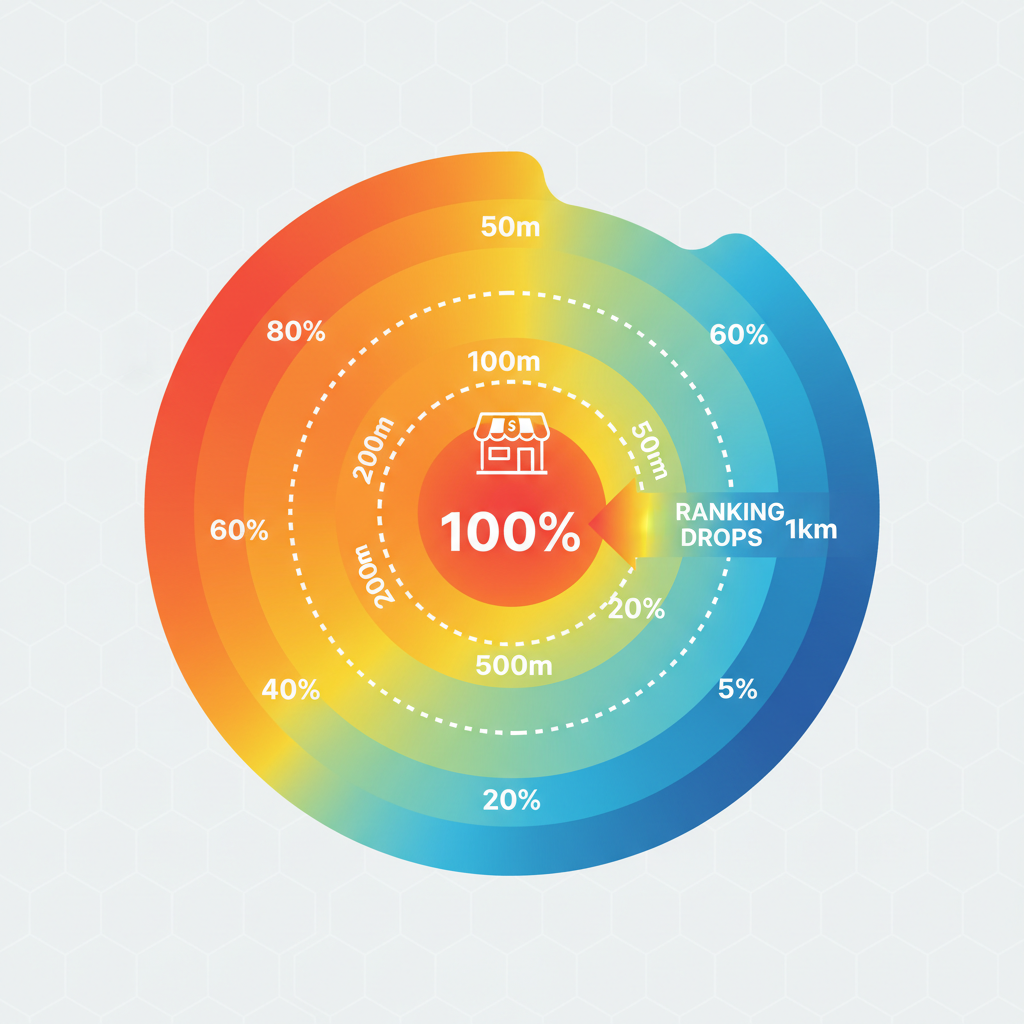
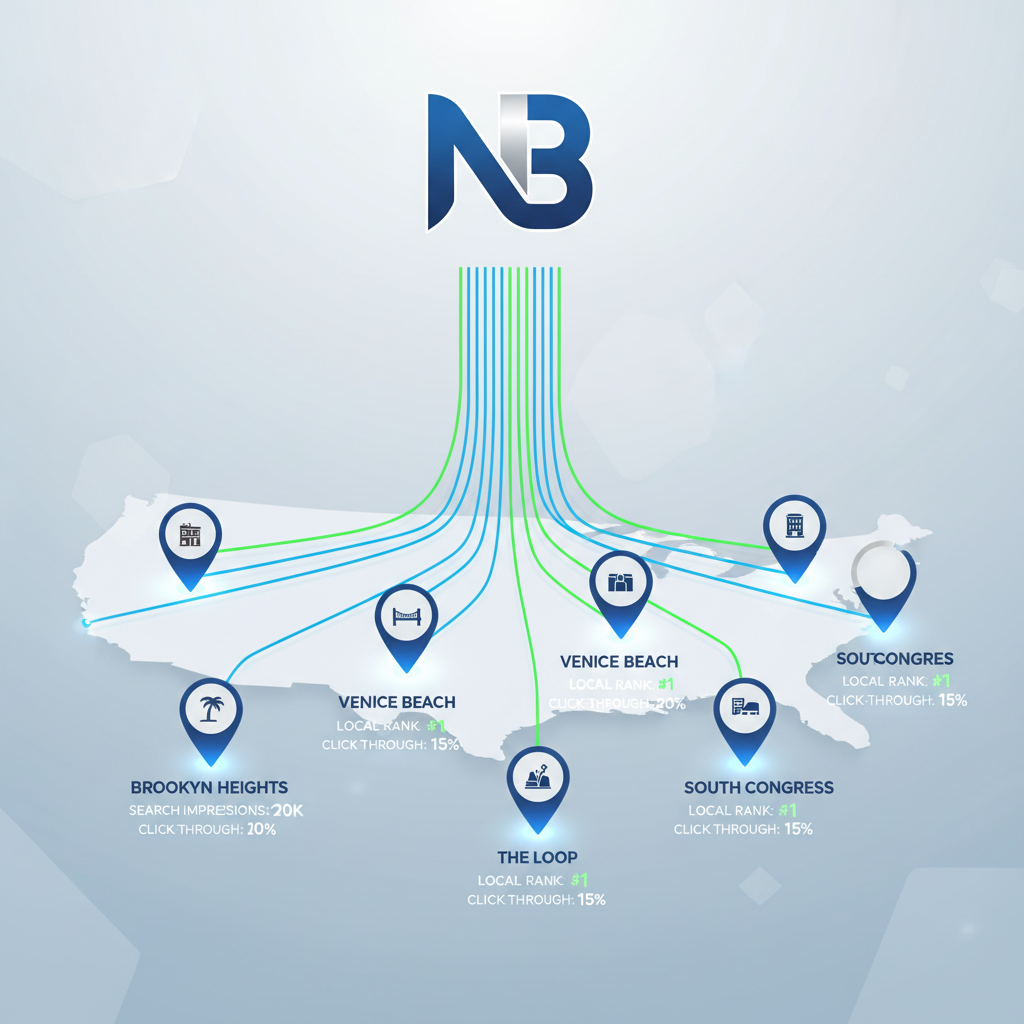
In practice, most businesses suffer from a "proximity drop-off" where their visibility plummets once a user moves outside a 3- to 5-mile radius. Based on real-world results at INFINI Marketing, we have found that relying solely on a GBP address often leaves a business invisible in neighboring affluent suburbs or high-traffic commercial zones. Advanced schema acts as a bridge, signaling to AI models that your expertise and service capacity extend into these specific neighboring nodes.
How to fix local proximity issues with GeoJSON and Schema
Fixing local proximity issues requires moving from "static" address listing to "dynamic" geographic signaling. If your business is struggling to rank in a specific part of town, you must provide search engines with coordinates and boundary data that go beyond a simple zip code.
How do I implement GeoJSON in local SEO?
GeoJSON is a format for encoding a variety of geographic data structures. By nesting GeoJSON data within your `LocalBusiness` schema, you can define precise service area polygons. This is significantly more effective than a standard "20-mile radius" setting because it tells the AI exactly which neighborhoods you prioritize.
"In 2026, the businesses that win local search are those that provide 'Geographic Proof.' It’s no longer enough to say where you are; you must prove where you work through technical precision." — INFINI Marketing Technical Team
What specific schema properties signal proximity?
To optimize for the local SEO radius optimization, you should implement the following properties:
`areaServed`: Defines the specific geographic area where a service is provided.
`hasMap`: A URL to a map showing the business's location or service area.
`geo`: Contains `GeoCoordinates` (latitude and longitude), which provides more precision than a street address.
`knowsAbout`: Can be used to link the business to local landmarks or neighborhood entities, further grounding it in a specific locale.
📈 Impact of Advanced Schema on Search Visibility
What is the best strategy for AI search optimization for small businesses?
The best strategy for AI search optimization for small businesses involves shifting focus from "keywords" to "entities." AI models look for connections between your business and other high-authority local entities, such as city halls, major stadiums, or historical districts.
How do I use 'sameAs' to boost local authority?
The `sameAs` property is one of the most underutilized tools in local SEO. By linking your business code to the official Wikidata or Wikipedia entries for the neighborhoods you serve, you create an unbreakable link in the AI's mind between your service and that location.
How does 'serviceArea' differ from 'address'?
The `address` property tells the AI where your office is; the `serviceArea` property tells the AI where your revenue comes from. For a plumber or a mobile locksmith, the `serviceArea` is more important for proximity rankings than the physical warehouse location. In most cases, we recommend defining `AdministrativeArea` types (like specific cities or counties) within this property to capture wider searches.
ℹ️ Info
Pro Tip: Use the Google Rich Results Test every time you update your GeoJSON or LocalBusiness schema. Even a small syntax error can prevent AI engines from parsing your location data correctly.
Step-by-Step: Implementing GeoJSON business location data
To implement GeoJSON business location data effectively, follow these technical steps to ensure your site communicates maximum proximity signals.
Step 1: Generate your coordinates
Use a tool to find the exact latitude and longitude for your primary location and the corners of your primary service area. Accuracy to the sixth decimal point is the industry standard for high-precision mapping.
Step 2: Define the 'areaServed' polygon
Instead of a circle, create a polygon that follows natural neighborhood boundaries or high-value service routes. This is a common scenario we encounter: a business wants to rank "North" but not "South" due to travel times. A GeoJSON polygon allows for this level of exclusion.
Step 3: Embed in JSON-LD
Inject the data into the `
` of your website. A typical advanced snippet looks like this:```json
{
"@context": "https://schema.org",
"@type": "PlumbingService",
"name": "Example Plumber",
"areaServed": {
"@type": "GeoShape",
"polygon": "29.76,-95.36 29.80,-95.40 29.70,-95.50 29.76,-95.36"
},
"geo": {
"@type": "GeoCoordinates",
"latitude": 29.7604,
"longitude": -95.3698
}
}
```
Summary of Key Takeaways
Proximity is manageable: The GBP proximity filter 2026 can be influenced by providing AI engines with clearer, structured data than your competitors.
Precision matters: Use GeoJSON business location data to define exact service boundaries rather than generic mile radii.
Entity Linking: Leverage `sameAs` and `knowsAbout` properties to connect your business to recognized local landmarks in the AI Knowledge Graph.
Technical Integrity: Consistently validate your schema to ensure it is serving as a definitive reference for search crawlers.
At INFINI Marketing, we believe that technological transparency is the key to trust. By giving search engines the exact data they need, you position your business as the most authoritative—and closest—option for your customers.
- Hits: 191

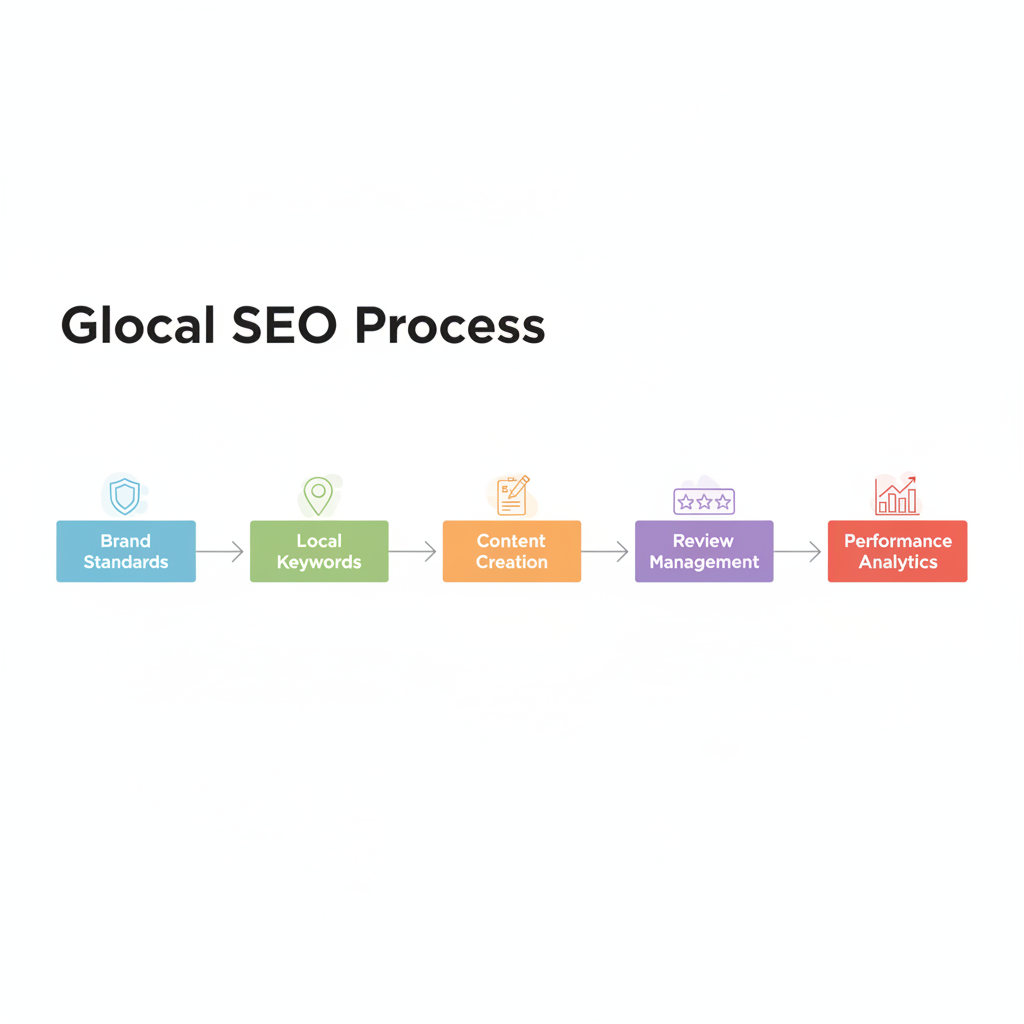 Local Keywords -> Content Creation -> Review Management -> Performance Analytics." style="max-width:100%;height:auto;border-radius:8px;margin:1.5em 0;display:block;" />