What are the 2026 Google AI Updates for Lead Generation?
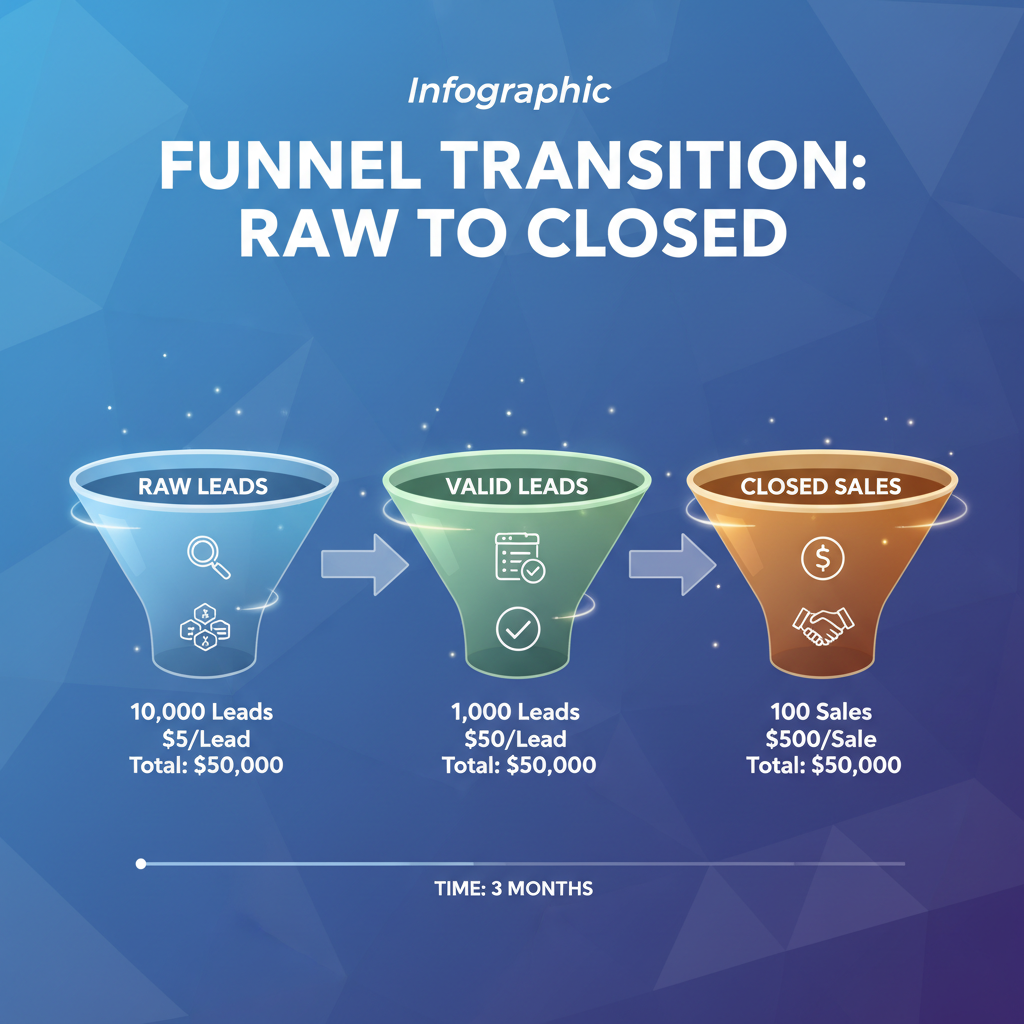
In the rapidly evolving landscape of digital advertising, modern businesses must pivot from high-volume lead generation to high-value lead acquisition. As Google’s search ecosystem integrates deeper AI capabilities in 2026, the traditional metric of "Cost Per Lead" (CPL) is being replaced by "Cost Per Valid Lead" (CPVL) as the primary indicator of campaign health.
Quick Answer: To slash your Cost Per Valid Lead in 2026, you must shift Google Ads AI bidding strategies toward value-based optimization and implement server-side conversion tracking. By feeding the AI data on which leads actually turn into sales, you enable Google’s algorithms to ignore "junk" traffic and focus exclusively on high-intent users, typically reducing wasted spend by 25–40%.
What are the 2026 Google AI Updates for Lead Generation?
Google’s 2026 updates focus on "Conversational Search Generative Experience" (SGE) and enhanced Performance Max (PMax) capabilities. These updates prioritize user intent over keyword matching, meaning that ads are served based on the likelihood of a conversion rather than just a search term.
How does AI-driven intent matching change lead quality?
AI-driven intent matching uses multi-signal analysis—including browsing history, device behavior, and past conversion patterns—to predict lead quality. In practice, this means Google can now distinguish between a "window shopper" asking general questions and a "ready-to-buy" customer in Houston looking for immediate services.
what is the role of Performance Max in 2026?
Performance Max (PMax) optimization in 2026 is centered on "Asset Audience Signals." Rather than manually selecting every placement, advertisers provide the AI with high-quality creative assets and first-party data. The AI then distributes these across Search, YouTube, and Gmail to find users who mirror the characteristics of your existing valid leads.
📈 Lead Quality vs. Quantity Shifting Trends
How Do You Use Google Ads AI Bidding to Reduce Junk Leads?
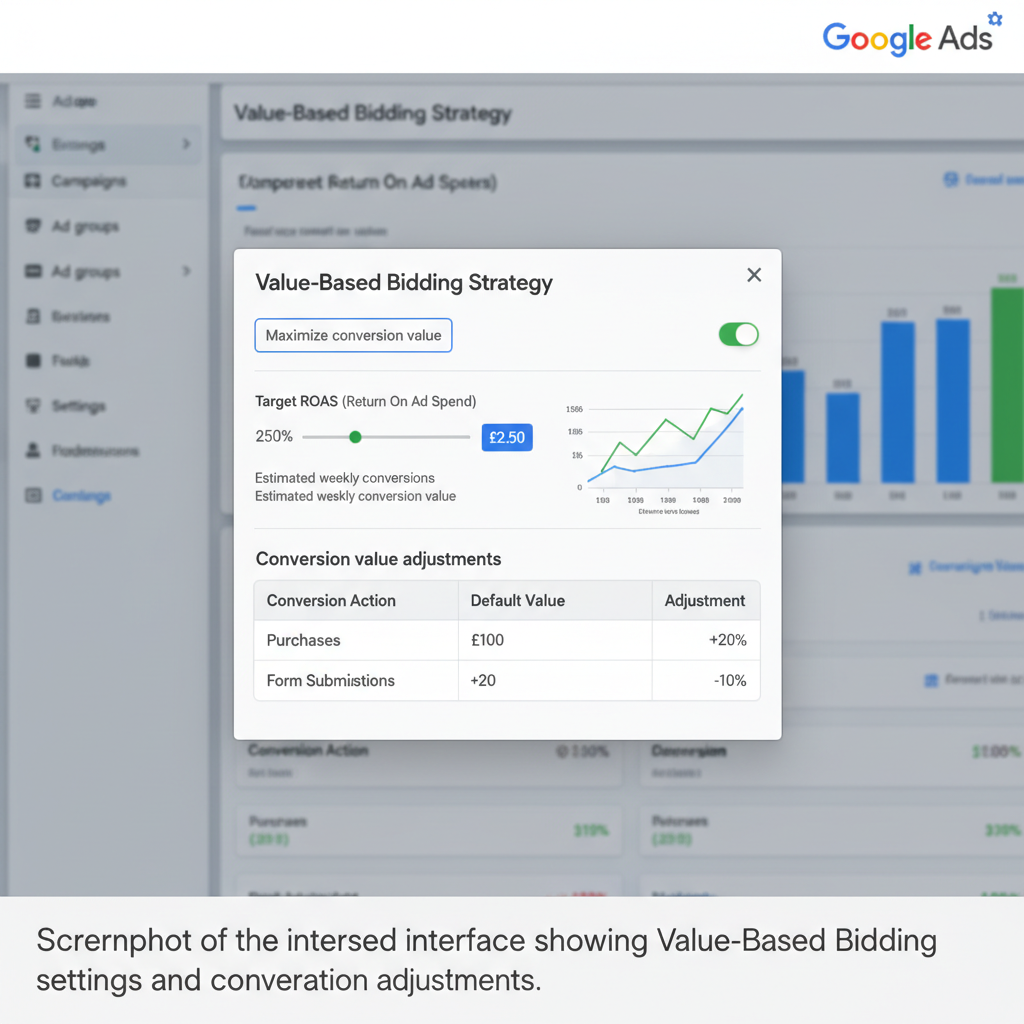
Google Ads AI bidding is the process of using Smart Bidding strategies like "Target ROAS" (Return on Ad Spend) or "Maximize Conversion Value" to automate bids based on the predicted value of a user. To reduce junk leads, business owners must move away from "Maximize Conversions" and toward "Value-Based Bidding" (VBB).
Why is Value-Based Bidding (VBB) essential?
Value-Based Bidding allows you to assign different monetary weights to different types of conversions. For example, a phone call from a local Houston area code may be worth $100 to your business, while a generic contact form completion is only worth $10. By assigning these values, you instruct the Google AI to prioritize the high-value phone calls, effectively slashing the budget spent on low-quality form submissions.
How do you implement Negative Keyword Themes in AI?
While 2026 AI is highly automated, "Negative Keyword Themes" remain a critical manual control. Based on real-world results at INFINI Marketing, we recommend auditing search term reports weekly to exclude "informational" queries (e.g., "how to do it myself") and focusing the AI on "transactional" queries (e.g., "service near me").
What are the Best Strategies for PMax Optimization in 2026?
PMax optimization requires a focus on "Data Hygiene" and "Creative Diversity." Because PMax is a "black box" system, the quality of the data you feed it (the inputs) directly dictates the quality of the leads you receive (the outputs).
How do "Offline Conversions" improve lead quality?
Offline Conversion Tracking (OCT) is the single most effective way to reduce junk leads in Google Ads. By importing data from your CRM back into Google Ads, you tell the AI which specific leads resulted in a signed contract or a sale. This creates a feedback loop where the AI learns to target users who resemble your actual paying customers, not just people the fill out forms.
What creative assets perform best in 2026?
In 2026, authentic, lo-fi video content and "Social Proof" assets outperform highly produced commercials. Short-form videos demonstrating a service being performed—such as a local Houston roof repair or a legal consultation—provide the AI with the visual signals needed to attract high-intent leads.
"The businesses winning in 2026 aren't the ones getting the most clicks; they are the ones providing the most accurate feedback loops to the AI. Data transparency is the new competitive advantage." - INFINI Marketing Strategy Team
How Can Small Businesses in Houston Slash Their Cost Per Valid Lead?
Small businesses can slash their Cost Per Valid Lead by localizing their AI signals and implementing strict lead-gatekeeping measures. In a competitive market like Houston, generic ads often attract out-of-area or low-budget "tire kickers."
Step 1: Implement "Enhanced Conversions"
Enhanced Conversions is a feature that improves the accuracy of your conversion measurement by using hashed first-party user data. According to Google Search Central, this can improve conversion tracking accuracy by up to 17%, ensuring the AI has the best possible data to work with.
Step 2: Set Up Lead Validation Gates
To reduce junk leads, add "qualification questions" to your lead forms. Ask for a zip code, a budget range, or a specific service need. While this might decrease your total lead volume, it significantly increases your valid lead volume, lowering your overall CPVL by preventing the sales team from chasing dead ends.
ℹ️ Info
Pro Tip for Houston Businesses: Use "Location Groups" in your AI settings to prioritize high-income or high-density Houston neighborhoods like The Heights, River Oaks, or Katy. This focuses your budget where the lifetime value (LTV) of a customer is traditionally higher.
Step 3: Use "Target CPA" with a "Floor"
When using Target CPA (Cost Per Acquisition) bidding, don't set your target too low. A target that is too aggressive will force the AI to find the "cheapest" possible leads, which are almost always low quality. Set a realistic TCPA based on your historical data for valid leads to ensure the AI has the "budget" to bid on premium placements.
Key Takeaways for 2026 Success
Quality is a Data Problem: High junk lead volume is usually a sign that the AI is being fed "dirty" data.
Feed the Machine: Offline Conversion Tracking is no longer optional; it is the primary lever for PMax optimization in 2026.
Value Over Volume: Shifting to Value-Based Bidding typically yields a 15–30% improvement in ROI by prioritizing high-intent users.
Localized Precision: For Houston businesses, combining AI automation with local geographic exclusion ensures that budget is not wasted on non-serviceable areas.
- Hits: 220
